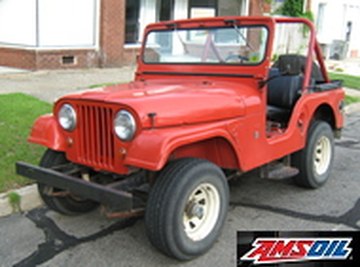
Engine Lubrication and Service for the 1982 Jeep DJ-5 2.5L
Maintaining a vehicle from the early 1980s requires a shift in perspective from modern, computerized maintenance to more hands-on, observational care. For owners of the 1982 Jeep DJ-5 equipped with the 2.5L engine, consistent attention to lubrication and mechanical integrity is essential for long-term operation. Because these vehicles have been in service for decades, the focus often shifts from simple part replacement to monitoring how aging components interact under operating conditions.
Monitoring Fluid Integrity and Potential Leaks
One of the most effective ways to monitor the health of a 1982 Jeep DJ-5 is through regular visual inspections of the engine bay and the ground beneath the vehicle. Over time, various seals and gaskets may experience changes in their ability to contain fluids. When performing routine checks, look for signs of seepage or active dripping around the engine block and connection points.
If you notice fresh fluid accumulating on the underside of the engine or forming spots on your driveway, it warrants investigation. It is important to note that a visible stain does not automatically identify a specific failed component; rather, it serves as a signal to inspect the surrounding area more closely. For example, an oily residue might be found near various sealing surfaces or connection points. Identifying whether a leak is active or merely old, dried residue can help prioritize necessary repairs.
In addition to looking for external leaks, checking the condition of the lubricant itself is vital. If the oil appears excessively dark, gritty, or has an unusual odor, it may indicate that the fluid has been subjected to high thermal stress or has become contaminated. Monitoring these changes allows you to make informed decisions about service timing based on the actual condition of the lubricant.
Observing Mechanical Warning Signs
Beyond visible leaks, the way a vehicle behaves during operation can provide significant clues regarding its maintenance needs. For the 2.5L engine in this Jeep, owners should remain attentive to any changes in mechanical sounds or performance characteristics. Unusual noises—such as rhythmic tapping, knocking, or grinding—should be investigated promptly, as they can be associated with various internal or external components.
Changes in how the engine responds to throttle inputs or unexpected fluctuations in operating temperature are also important indicators. If the vehicle begins to run differently than it has historically, it is often a sign that a component is beginning to deviate from its normal operating parameters. Because symptoms can have multiple overlapping causes, these observations should be treated as starting points for a professional diagnosis rather than definitive proof of a single part failure.
Furthermore, keep an eye on any warning indicators provided by the dashboard. While older electrical systems may occasionally produce false readings, a persistent warning light is a signal that a system requires attention. Combining these sensory observations with regular fluid checks creates a comprehensive picture of the vehicle's current state.
Prioritizing Maintenance for Aging Systems
As a 1982 Jeep DJ-5 ages, the strategy for maintenance should move away from strictly following a calendar and toward a condition-based approach. This means prioritizing tasks based on what the vehicle actually needs at its current stage of life. If you are stepping into ownership of this vehicle without a complete service history, establishing a baseline is a logical first step.
To establish this baseline, begin by documenting all recent fluid changes, filter replacements, and mechanical repairs. If records are unavailable, performing a thorough inspection of all major systems—including checking the condition of accessible belts (if equipped) and hoses (if present)—can help you understand the current state of the vehicle. This documentation allows you to track changes over time, making it easier to spot when a component is beginning to wear.
When deciding where to allocate time and resources, address active issues first. An active leak or a noticeable change in engine sound takes precedence over general preventive measures. By focusing on these immediate needs while simultaneously building a history of observations, you can manage the vehicle's longevity more effectively without performing unnecessary or speculative repairs.
The Role of Lubrication in Engine Longevity
Engine oil performs several vital roles that are critical to the continued operation of the 2.5L engine. Beyond simply reducing friction between moving parts, the lubricant acts as a medium for heat management by carrying thermal energy away from high-temperature areas within the engine. It also helps to suspend and carry away microscopic debris, preventing it from accumulating in sensitive areas.
Maintaining clean and fresh oil is essential for managing these functions. As oil undergoes thermal cycles, it can eventually lose its ability to effectively manage heat or resist the buildup of deposits. This is why regular monitoring of the lubricant's appearance and consistency is a fundamental part of ownership. Ensuring that the engine is always supplied with the correct type of lubricant helps maintain the integrity of the internal components and supports stable operating temperatures.
Practical Inspection of Peripheral Components
While much focus is placed on the engine itself, the components surrounding it also require regular attention. For a vehicle of this era, inspecting the condition of auxiliary systems can prevent secondary issues from developing. If equipped, inspect accessible drive belts for signs of deterioration such as cracking, glazing, or fraying. Similarly, if present, check hoses for any signs of softening, swelling, or brittleness.
Electrical connections and wiring should also be inspected periodically. Over several decades, vibration and temperature fluctuations can affect the security and integrity of electrical connectors. Ensuring that these connections remain clean and tightly seated can prevent intermittent electrical issues that might otherwise be difficult to diagnose. This holistic approach to inspection ensures that the engine is supported by a healthy network of auxiliary components.
Buying Engine Oil for your 1982 Jeep DJ-5 2.5L
When it is time to replenish the lubricant in your 1982 Jeep DJ-5 2.5L, the most important step is to ensure the product matches the specific requirements of your engine. Rather than relying on general automotive knowledge or assumptions based on the vehicle's age, you should always refer to the application-specific viscosity and oil information provided on this webpage.
When selecting a product, consider the following practical steps:
- Match the Viscosity: Use only the engine oil viscosity that is explicitly listed in the application information for your specific vehicle.
- Verify API Certification: Check the product label to ensure the oil meets current API service standards, which confirm the oil's quality and performance capabilities.
- Evaluate Formulations: Depending on your specific needs, you may choose between conventional, synthetic blend, or full synthetic oils. Some high-mileage formulations also include seal-conditioning additives that are intended for use in aging engines.
- Inspect the Label: Always read the container thoroughly before purchase to confirm it aligns with the technical data displayed on this page.
By following the specific guidance provided in the application details above, you can ensure that your lubrication choices support the continued operation of your 2.5L engine.